Sensor

Overview
Sensor is an advanced communication-enhancement technology designed to interpret and transmit the full depth of human expression. By analyzing nuanced verbal and non-verbal cues—including mood, tone of voice, emotional intensity, and contextual meaning—Sensor creates a more complete, accessible, and intuitive interpersonal experience. This breakthrough system brings clarity to moments where traditional communication falls short. Whether supporting individuals with sensory, cognitive, or communication challenges, or enhancing digital interactions in educational and professional environments, Sensor enables users to perceive and engage with the world with greater autonomy, confidence, and connection. Currently undergoing real-world testing across schools, workplaces, and social settings, Sensor represents a new frontier in inclusive technology—one where every individual has the opportunity to understand and be understood.
The Challenge
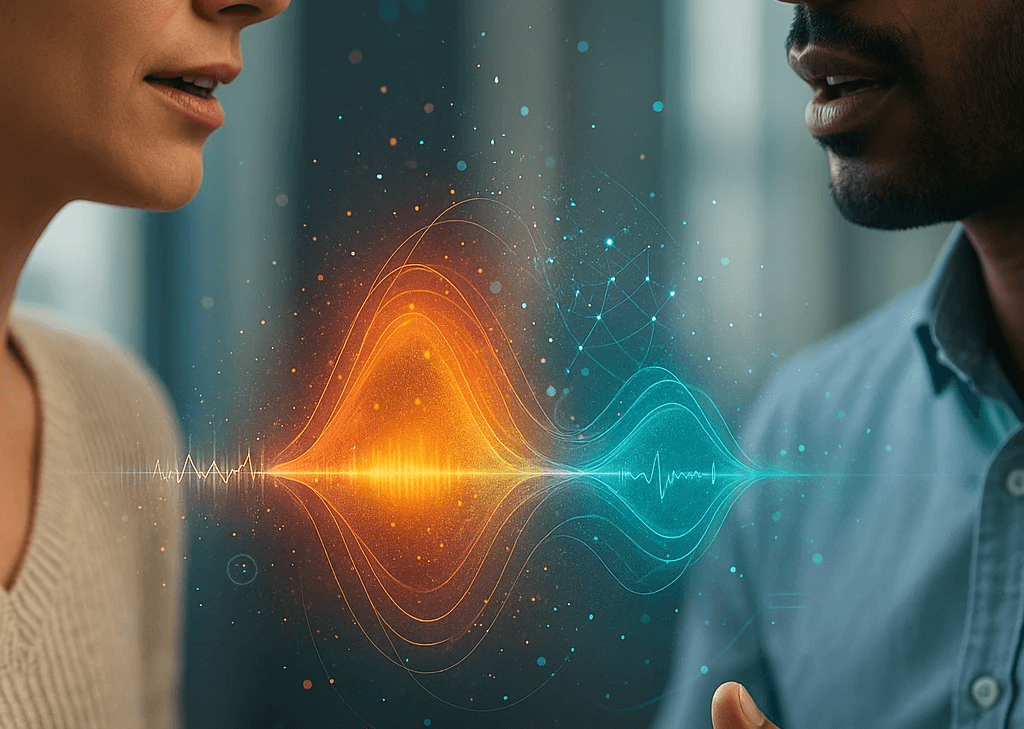
Millions of people struggle daily with barriers to communication. Nuances like tone, emotion, urgency, intention, and social cues can be difficult or impossible to interpret for individuals with hearing impairments, autism spectrum conditions (including Asperger’s syndrome), and certain developmental or cognitive challenges. In noisy environments, high-stress interactions, or professional settings where precise understanding is critical, these nuances are often lost.
This lack of clarity affects confidence, independence, and social participation. In classrooms, students may miss emotional cues or contextual meaning. In workplaces, misunderstandings can disrupt collaboration and performance. In everyday life, misinterpreted tone or missed non-verbal signals can lead to isolation, stress, or reduced autonomy.
Despite the need, most existing support tools are limited in scope. They focus solely on text transcription, basic sound amplification, or surface-level cues—leaving the deeper layers of human communication unaddressed.
The Solution
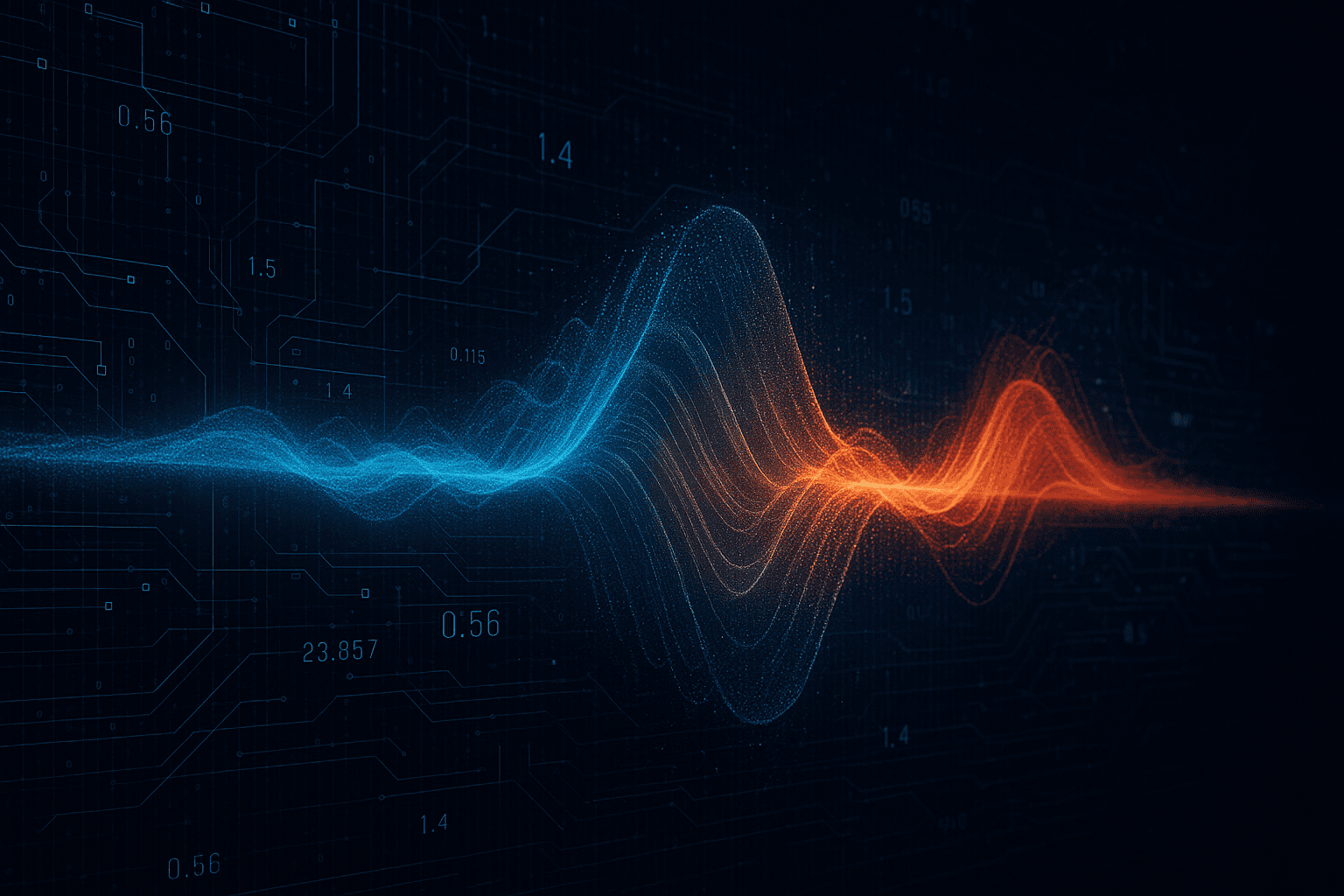
Sensor addresses these gaps by translating the invisible layers of communication into clear, accessible, real-time visual and auditory data. Using advanced signal processing, machine learning, and emotional-context modeling, Sensor captures:
tone and emotional inflection
volume shifts and stress markers
pace and rhythm
contextual meaning
non-verbal cues and inferred intent
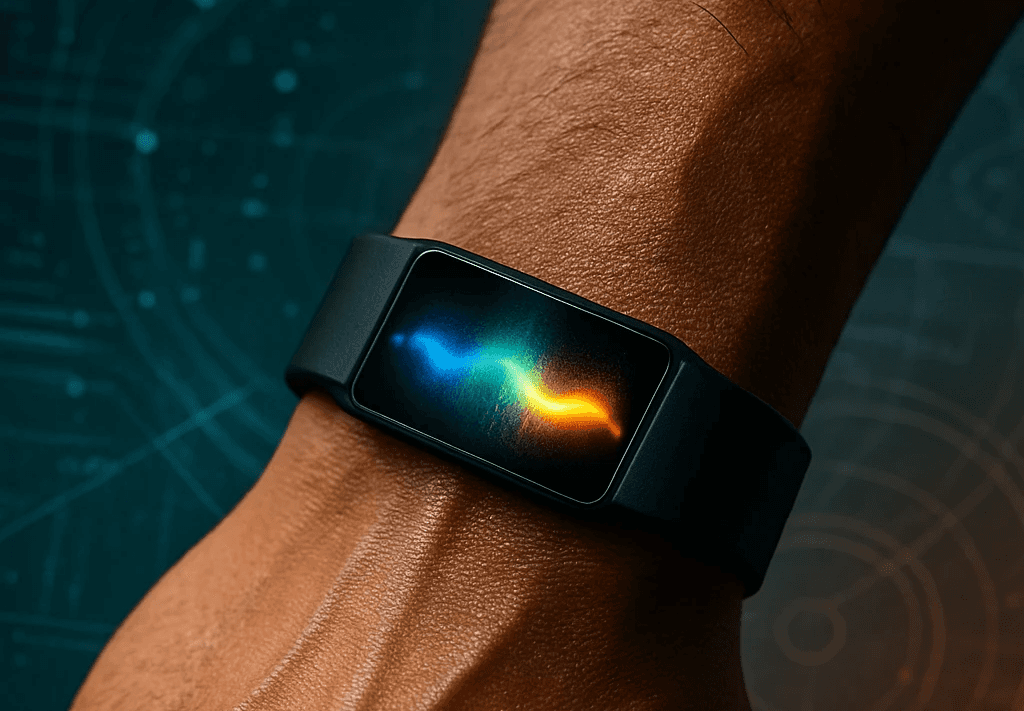
It then delivers this information through intuitive outputs—ranging from enhanced closed captions to symbolic overlays and environmental indicators—tailored to the user’s needs.
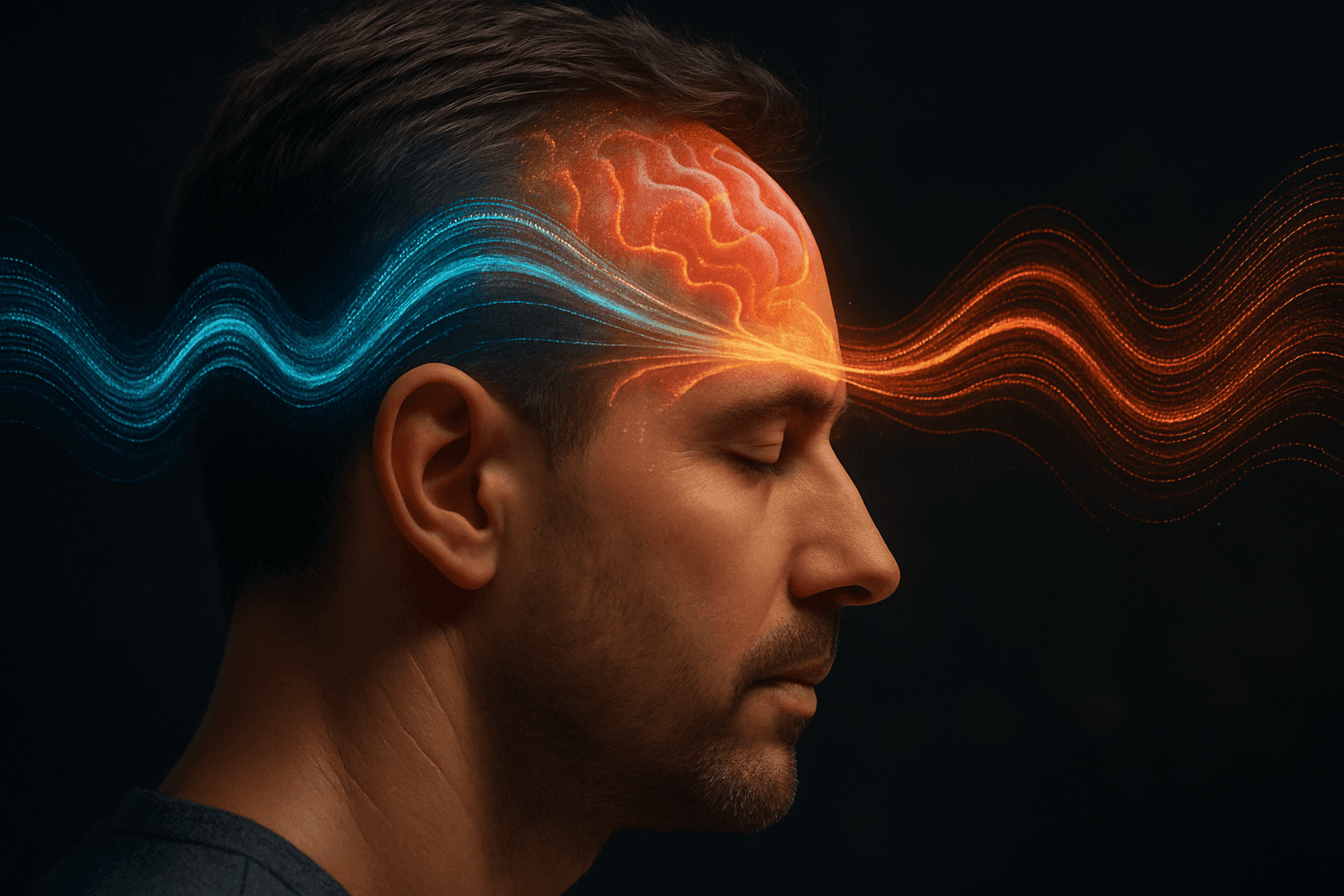
This transforms communication from a fragmented experience into a complete, fully contextualized interaction, making environments like classrooms, meetings, and social settings far more inclusive. Sensor empowers individuals to connect, participate, and navigate the world with greater independence and clarity.
The Result